Intro
Reimagined and developed a design system for the SG Transportation System, a smart bus dashboard offering Singapore's bus route interface, to provide a user-friendly alternative to traditional bus apps.

The Problem
Despite the availability of bus route information through traditional bus apps, there exists a significant usability gap for commuters navigating Singapore's public transportation system. The current interfaces often lack intuitiveness, resulting in user frustration, difficulty in route planning, and ultimately, decreased user satisfaction. Consequently, there is a pressing need to reimagine and develop a user-friendly alternative that enhances the accessibility and efficiency of accessing bus route information for commuters in Singapore.
Approach
To overcome the challenges and elevate the music streaming experience, the following approach was adopted:
Innovative User Experience: My research focuses on crafting an immersive and intuitive user experience that seamlessly connects users with their favourite music.
Data-Driven Curation: Leveraging advanced algorithms, I curate personalized content recommendations tailored to individual preferences, minimizing content overload and enhancing user engagement.
Continuous Improvement: My methodology emphasizes iterative development and constant user feedback integration to ensure ongoing improvement and innovation in the platform's features and functionality.
Fair Compensation Model: I prioritize equitable compensation for artists and creators, implementing transparent royalty structures that acknowledge and reward their contributions to the platform.
Community Engagement: My research explores strategies to foster a vibrant and inclusive user community through interactive features and social integration, enhancing the overall music streaming experience.
Certainly! Here's a refined outline of the approach taken to overcome challenges and enhance user experience:
User-Centric Design:
Prioritized user needs and preferences through extensive research, including interviews, surveys, and usability testing.
Developed a deep understanding of user behaviors and pain points to inform design decisions throughout the project.
Iterative Design Process:
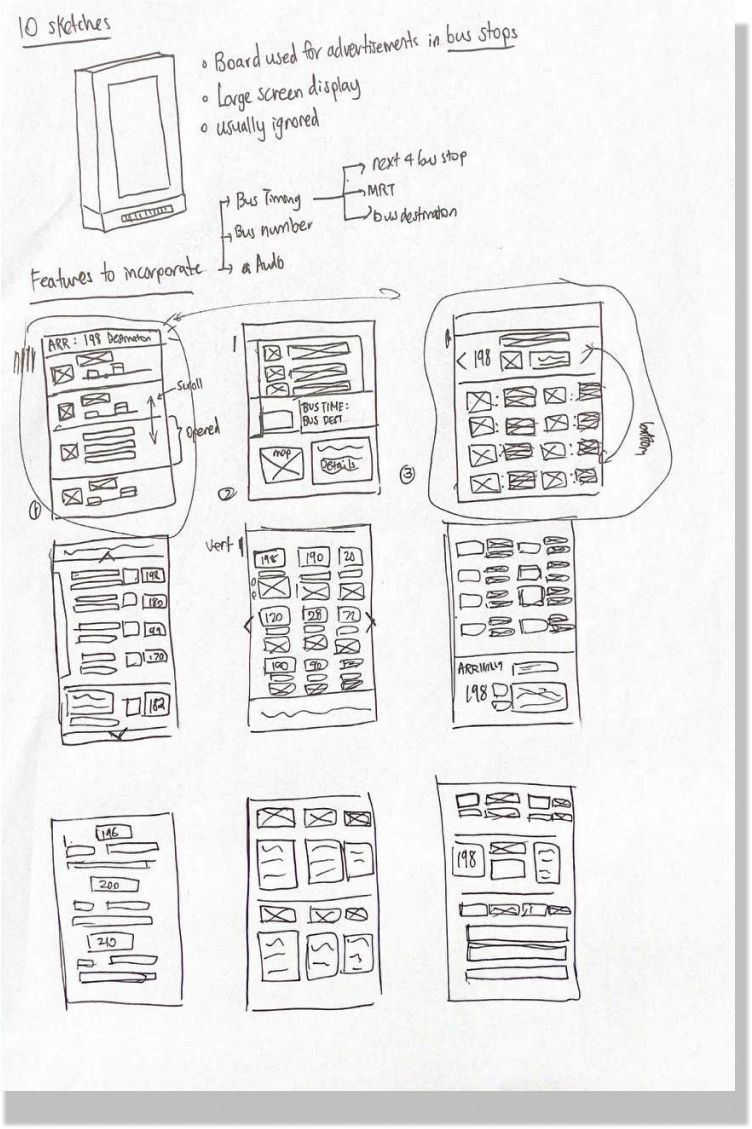
Embraced an iterative design approach, starting from low-fidelity sketches and gradually refining the design based on user feedback and testing results.
Conducted frequent design reviews and usability tests to validate design assumptions and identify areas for improvement.
Collaborative Stakeholder Engagement:
Fostered open communication and collaboration with stakeholders, including transportation authorities, developers, and end users.
Solicited feedback and input from stakeholders at key stages of the design process to ensure alignment with project goals and user needs.
Accessibility and Inclusivity:
Prioritized accessibility considerations to ensure the bus route interface is usable by all users, including those with disabilities or special needs.
Incorporated inclusive design principles to accommodate diverse user demographics and preferences, such as language localization and support for assistive technologies.
Seamless Integration with Existing Infrastructure:
Designed the interface to seamlessly integrate with existing transportation infrastructure and technologies, such as real-time GPS tracking and scheduling systems.
Collaborated closely with developers to ensure smooth implementation and compatibility with backend systems and APIs.
Performance Optimization:
Optimized the performance of the bus route interface to ensure fast loading times and responsiveness, even under heavy usage or low network conditions.
Implemented caching mechanisms and data compression techniques to minimize bandwidth usage and improve overall user experience.
Continuous Improvement and User Feedback Loop:
Established a feedback loop with end users to gather ongoing input and suggestions for future enhancements.
Planned for regular updates and feature releases based on user feedback and evolving user needs, ensuring the bus route interface remains relevant and valuable over time.
By adopting this approach, the project aimed to overcome challenges and deliver a user-friendly alternative to traditional bus apps, enhancing the overall experience of navigating Singapore's public transportation system.
Results
The research yielded a mix of positive and negative outcomes, providing valuable insights from this project:
1. Agile Meetings:
Learned how to run effective Agile meetings like stand-ups and retrospectives.
Saw the benefits of constant communication and adaptability in Agile teams.
2. Double Diamond Design Thinking:
Used this process to go from identifying problems to implementing solutions.
Found that focusing on empathy and iteration leads to better designs.
3. Low to High Fidelity Mockups:
Started with basic sketches and ended up with polished designs.
Saw how prototyping and iteration help refine designs and make them user-friendly.

Conclusion
In conclusion, this project has been a great learning experience in UI/UX design for the SG Transportation System. By adopting Agile meetings, embracing the Double Diamond design thinking process, and transitioning from low to high fidelity mockups, we've gained valuable insights and skills.
Agile meetings taught me the importance of communication and adaptability in team dynamics, ensuring that we could address challenges effectively and keep the project on track. The Double Diamond design thinking process guided us through problem-solving, emphasizing empathy and iteration to create user-centric solutions. Finally, transitioning from low to high fidelity mockups allowed us to refine our designs iteratively, ensuring that the final product met user needs and expectations.
Through this project, not only have I enhanced the bus route interface for Singapore's public transportation system but also honed our abilities as UI/UX designers. Moving forward, I will continue to apply these methodologies and skills to create impactful and user-friendly solutions in future projects.